
The Community Technology Empowerment Project
What we are working towards:
-
The digital divide is the persistent gap between those who have access to technology and those who do not. But true digital inclusion goes beyond providing devices—it requires hands-on skills training.
As digital inclusion professionals, CTEP members work to dismantle technology barriers, empowering everyone to fully participate in our workforce and community. We believe digital equity is achieved only when we address how technology access intersects with:
Education & Class
Race & Geography
Housing & Resource Allocation
WHAT IS CTEP?
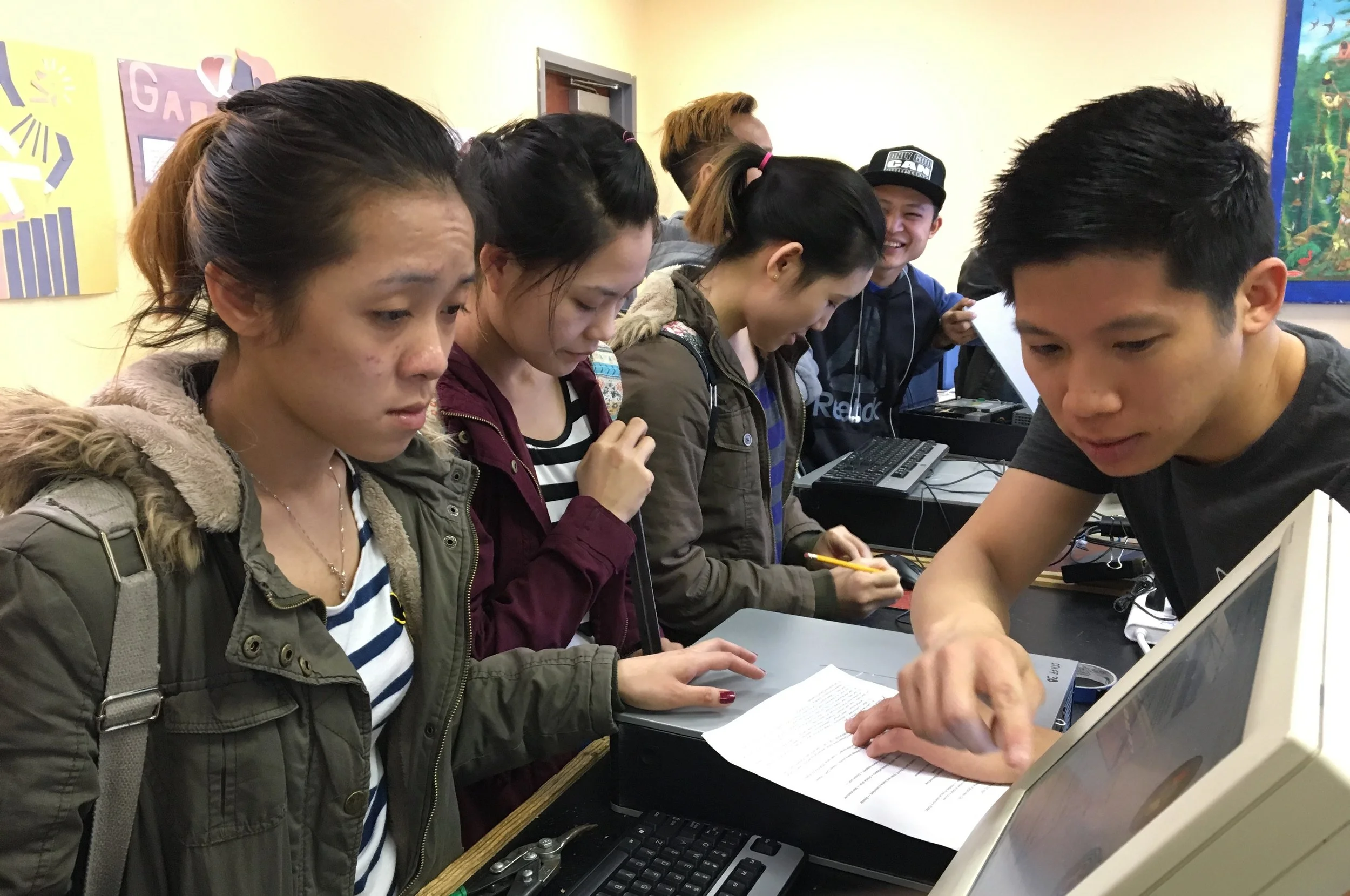
The Community Technology Empowerment Project (CTEP) AmeriCorps bridges the digital divide for new immigrants and low-income communities in Minneapolis and St. Paul.
The digital divide is the gap between those who have technology access and those who do not. Through digital inclusion—combining access with hands-on skills training—CTEP members break down barriers to welcome everyone into our workforce and community. Our ultimate goal is digital equity: ensuring equal technology access across every intersection of education, class, race, housing, geography, and resource allocation.
WHAT IS AMERICORPS?
AmeriCorps is the federal agency for national service and volunteerism. AmeriCorps provides opportunities for Americans of all backgrounds to serve their country, address the nation’s most pressing challenges, and improve lives and communities.
Read more about what AmeriCorps does and their impact here.
-
In July of 2004, four partner organizations interested in providing better technology access for metro area low-income residents were awarded a three-year AmeriCorps grant for a new program-- The Community Technology Empowerment Project, (CTEP). Project partners in this collaborative included: The St. Paul Neighborhood Network (fiscal sponsor), The Community Computer Access Network (C-CAN), the City of Minneapolis, and The MN State Department of Human Rights.
Partners in this initiative shared the belief that equitable access to basic information technology tools and resources (such as computers and the Internet) are necessary to insure full social, economic and civic participation for ALL community members. The CTEP project will meet this critical need using a grassroots, neighborhood-based “technology empowerment” strategy. In this way, the project addresses the well being of children, youth and families by providing new opportunities for economic development and educational achievement in targeted communities.
Since then the CTEP program has evolved to become part of the Saint Paul Neighborhood Network, and currently recruits, trains, and places 35 AmeriCorps members in service to their communities. Our focus has shifted to specifically helping low-income and new immigrant residents (adults and teens) better use technology resources within existing community technology centers (CTCs) and non-profit agencies.
Want to be a change agent in your community? Become a member with us or host a member at your organization!
FAQs
-
Our members are placed at leading nonprofit and community-based organizations throughout the Twin Cities. Full-time positions require approximately 35 hours of service per week, with opportunities for flexible scheduling depending on member interest and host site needs.
-
You don’t need to be a technology expert or experienced teacher to make a massive impact with CTEP. Technology is simply a tool we use to help learners reach major life goals—like securing a better job or advancing their education.
Because we provide robust, ongoing training throughout your service year, your willingness to learn and help others is much more important than an advanced technical background. In fact, our graduates leverage their service to launch diverse careers in fields like social work, education, public health, law, and public policy. If you consider yourself a community changemaker and enjoy helping others navigate digital spaces, you belong at CTEP.
-
During the year all CTEP AmeriCorps members receive a bi-weekly living stipend to cover basic expenses. Full time members are eligible for paid health care and child care.
CTEP also provides resources and information on budgeting, food-assistance, low-cost public transportation, navigating public assistance and free and fun things to do!
After successfully completing 12 months of service, all members qualify for the Segal Educational Award which provides up to $8,000 for continuing education, and the Public Service Loan Forgiveness (PSLF) program aimed at assisting members to pay off student debt.
-
Yes! We encourage members to pursue their personal interests while serving. Each year members participate in civic engagement projects aimed at addressing other community needs. Members work in small groups to identify issues related to digital inclusion and develop solutions.
-
-
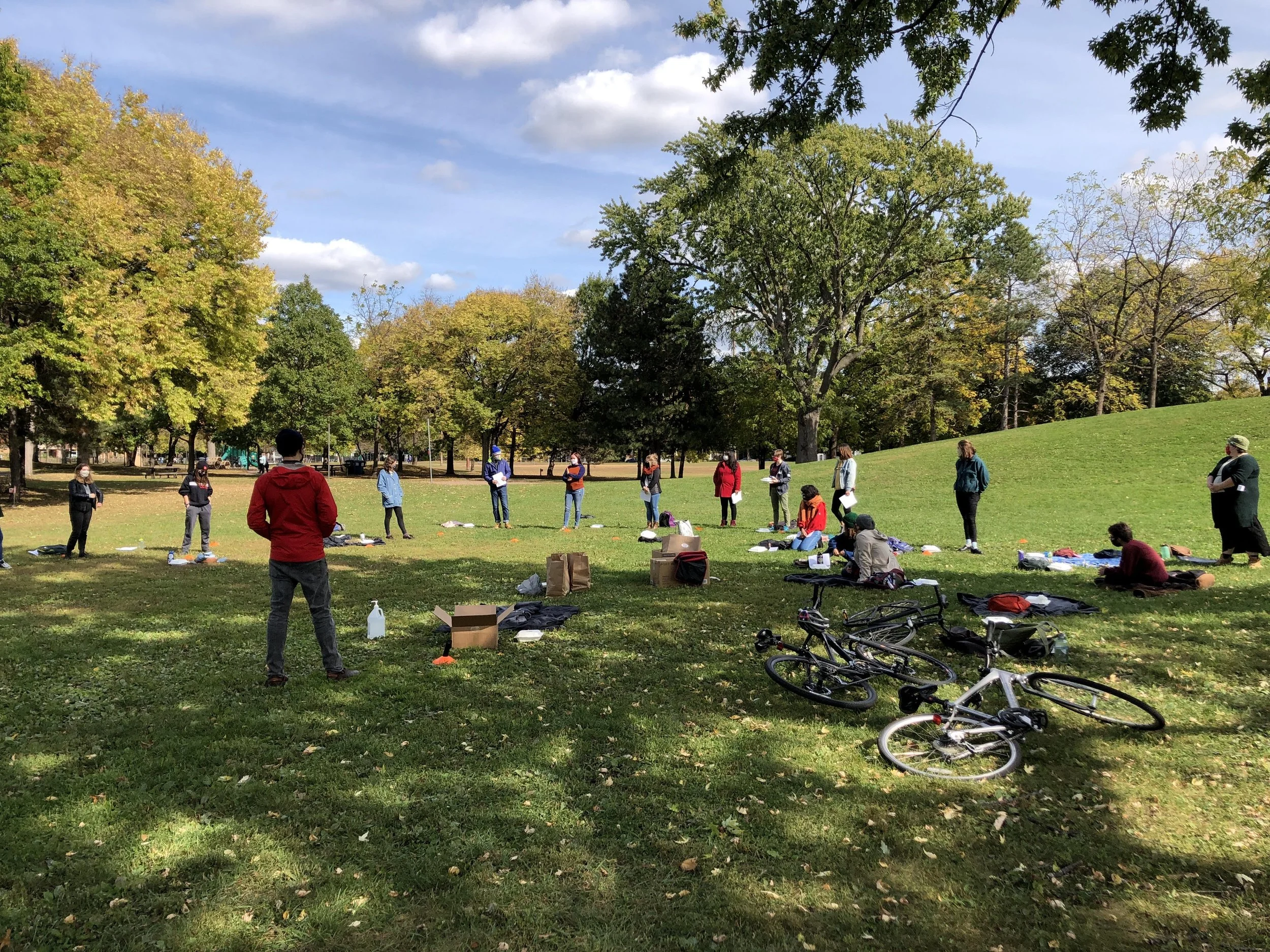
You will learn a lot at your host site, but you will also travel to roughly half of CTEP's host sites throughout the Twin Cities. Each training day takes place at a different location where we learn about a particular organization and neighborhood. You will have the chance to reflect on the relationships you build at your site, as well as what you are observing about digital inclusion at the individual, community and policy levels.