
History & Mission
HOW DOES SPNN SERVE THE TWIN CITIES?
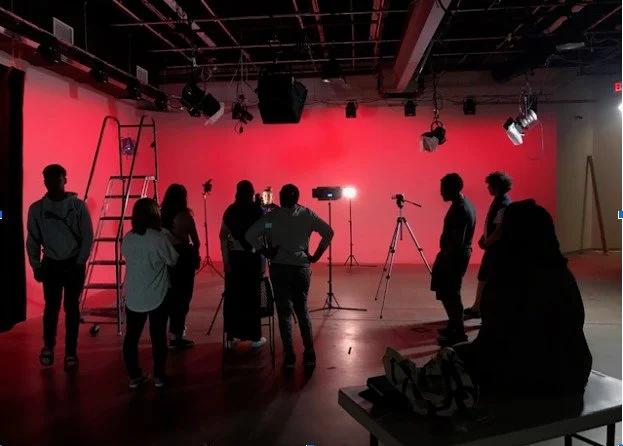
Through our media education programs SPNN teaches technical skills and the craft of creating media to individuals (youth, adults) and organizations (public service entities, nonprofits) all across the Twin Cities. We provide resources (tools, equipment, experts, ready-to-use space) for the creation, production and broadcasting of media.
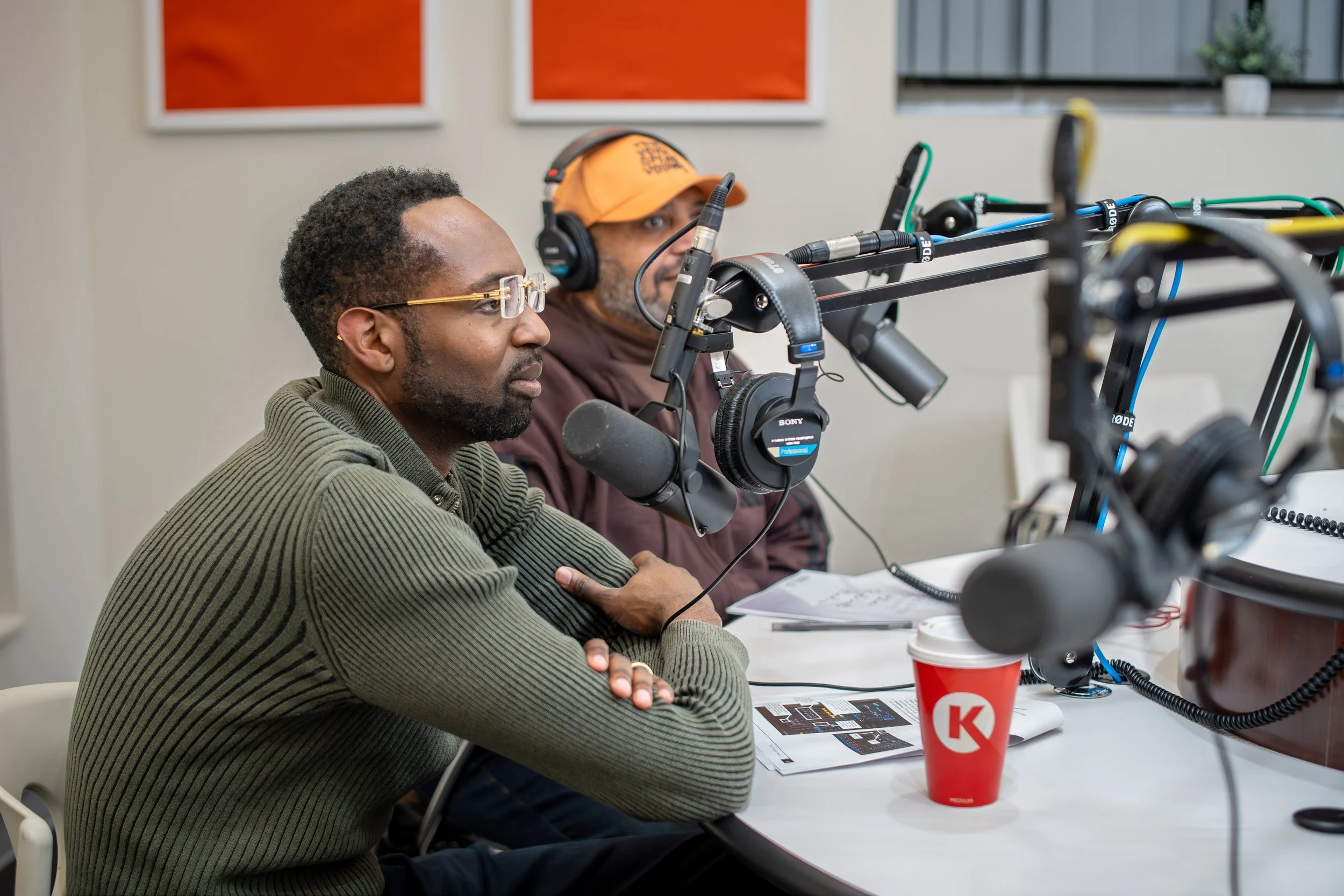
Our production team works with nonprofits to create content to share with the Saint Paul and wider Twin Cities community. We partner with the League of Women Voters Saint Paul to record candidate and issue forums, we cover local community events like Cinco de Mayo, Juneteenth, and K’Nyaw Festival. The SPNN Forum is a podcast that interviews community organizers, elected officials, small businesses, and nonprofits to highlight the work they do.
Our Community Technology Empowerment Project (CTEP) has up to 25 AmeriCorps members serving in nonprofits across the metro area to teach digital literacy to community members, especially those who have historically been under-resourced. Members teach everything from basic computer skills to the Google and Microsoft suites to media to other technical skills.
Program participants, partners, and board members talk about why SPNN matters to them and to the community.
Hear from more of our community here.
-
SPNN empowers people to use digital and media skills and storytelling to deepen community engagement, promote equity, and inspire social change.
1.) To provide space, resources, and a supportive environment to youth, youth serving organizations, and educational partners to gain exposure to media, media literacy skills, and to express themselves creatively through media.
2.) To provide resources including the tools, equipment, expert support staff, and ready-to-use space, for adult learners to practice, create, produce and broadcast/stream/host their content.
3.) To partner with and assist local non profits and community organizations by offering them our media expertise services and our site /space and media resources to rent/host
4.) To teach digital literacy, job search and job qualification activities to adults (via our CTEP Americorps program) through our partner sites.
-
When individuals tell their own stories they gain agency, visibility, and build community power. SPNN’s vision is to ensure everyone has equitable access to the necessary tools, skills, and platforms to share their stories, have voice, and advocate change thereby creating a more just and inclusive society.
-
Stories and narratives of our social lives are the fabric that glue us together. All too often throughout the history of most societies, these stories are predominately told by those with the means to disseminate them, which leaves out many communities from having content that’s relevant to them. Since 1984, SPNN has been providing a space, tools equipment and skills training for all twin cities community members - especially underserved communities including BIPOC & LGBTQ+ individuals - to become the storytellers filmmakers, media artists, and documentarians of their communities, and create engaging entertaining and valuable content for their communities. Thus, SPNN enables social content creation that’s fully reflective of all of our Twin Cities. Our training also includes teaching digital literacy and job search skills to adults. And we also partner with and assist other local organizations with their content creation activities.
-
In the 1990s, SPNN created teen media arts and leadership programs and developed a video production business line. Through the years, we have offered out of school time programs through Saint Paul Public Schools' Connections program, collaborated with the River Valley Girl Scouts to offer PSA camps, created a drop-in space for youth wanting a place to create, started a podcast for and by youth, and collaborated with other similar youth-serving organizations. Our production team partners with nonprofit organizations, neighborhood groups, and the City of St. Paul to create meaningful media.
In 2005, SPNN acquired the Community Technology Empowerment Project (CTEP) to help close the digital divide in the Twin Cities. This program houses AmeriCorps members who serve at different host sites in the Twin Cities metro area. The CTEP members teach digital literacy, media literacy, and media creation skills to both youth and adults. The CTEP members, mostly recent college graduates, learn vital career and leadership skills.
In 2010, we launched a documentary filmmaking track for adults with our groundbreaking Doc U program. In 2017, we built on that foundation with our New Angle Doc U Fellows to serve the needs of more advanced artists.
In 2024 we added a podcast studio for the community to use. In 2026 We started offering classes in Spanish.
SPNN will continue to evolve to meet the needs of our community.
Take a Virtual Tour of SPNN
-
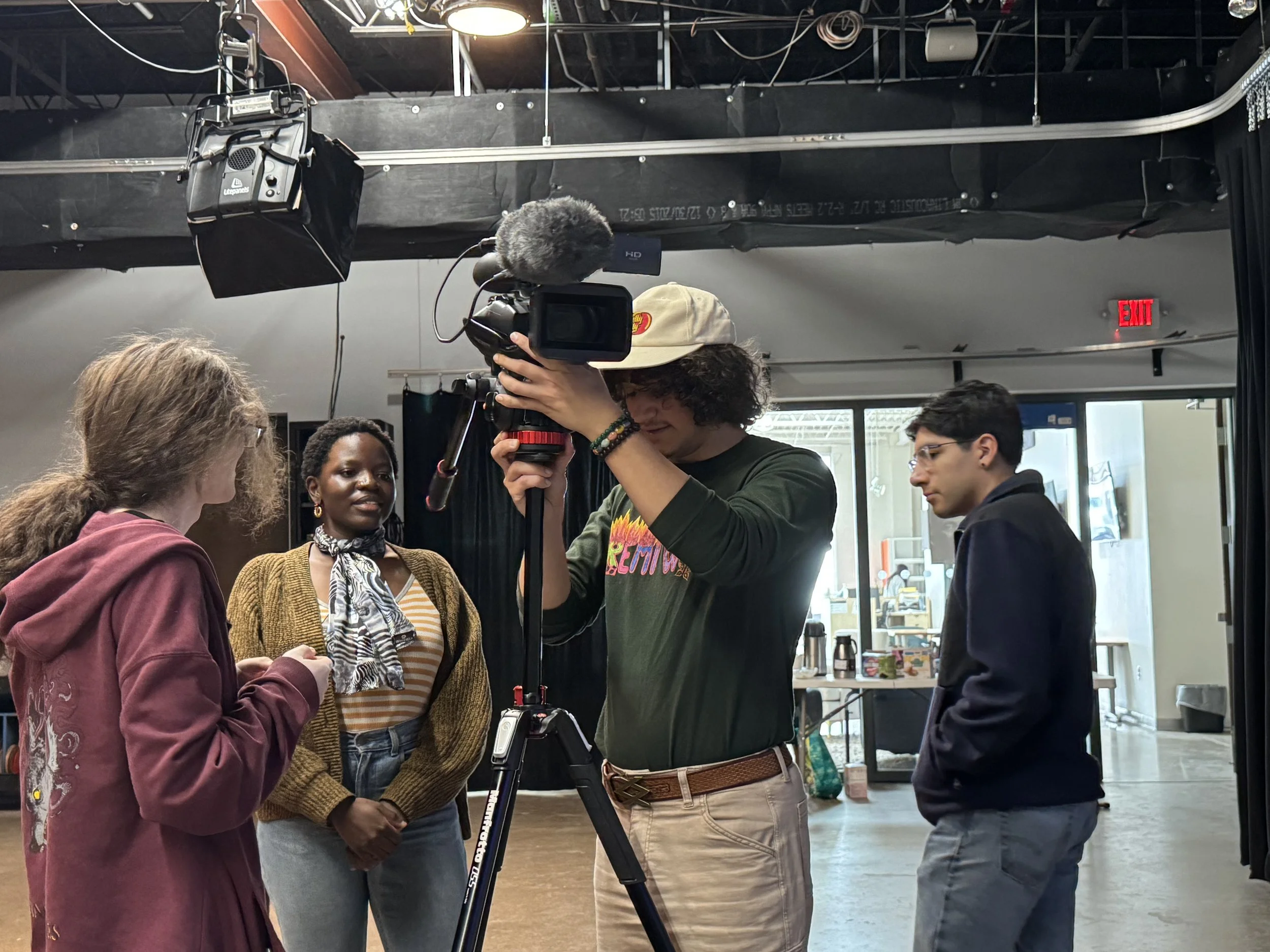
With training, support, and mentorship, SPNN works with both adults and youth to teach crucial tech skills and the craft of creating media. We offer classes spanning from basic to advanced technical workshops, in-depth documentary training programs for both beginners and early career artists, and job skills programs for youth. In the spirit of accessibility, we offer sliding-scale fees and our program participants receive free one-year memberships to SPNN. To foster networking and relationship building, we bring in media makers with artist panels.
-
Our production team works with community partners to create programming to benefit Saint Paul and the wider Twin Cities community. We have partnered with the League of Women Voters, the Minnesota Department of Human Services, La Clinica, and CLUES on theHope Against Opioids Conference, andMinnesota Elder Nonviolence Coalition. SPNN also hosts studio productions like theSPNN Forum.
-
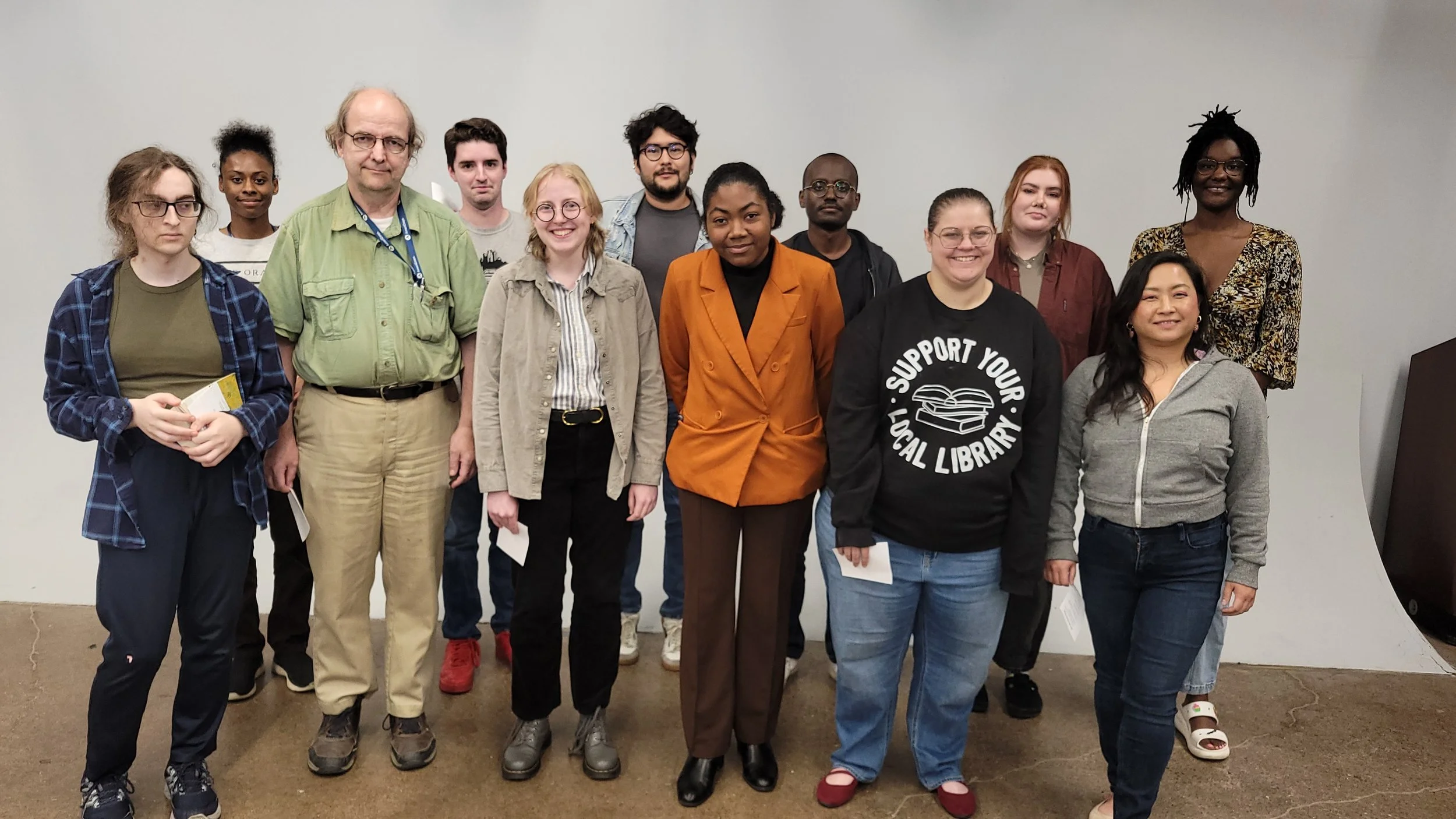
The Community Technology Empowerment Project (CTEP) bridges the "digital divide" for immigrants and low-income communities in Minneapolis and Saint Paul. CTEP AmeriCorps members serve at sites across the Twin Cities metro to help youth and adults use technology to better access social, civic, educational, and economic opportunities. Members teach technology literacy at non profits, community centers, adult basic education sites, and libraries.